
New Lenox, IL · Garage Door Service
Garage Door Service for New Lenox Homes
Garage door service for New Lenox homes built mostly between 1955 and 2004, where cold winters and original hardware wear down springs, openers, and rollers.
- Repairs & new doors
- Springs & openers
- Serving 6 nearby communities
Can You Do This Yourself
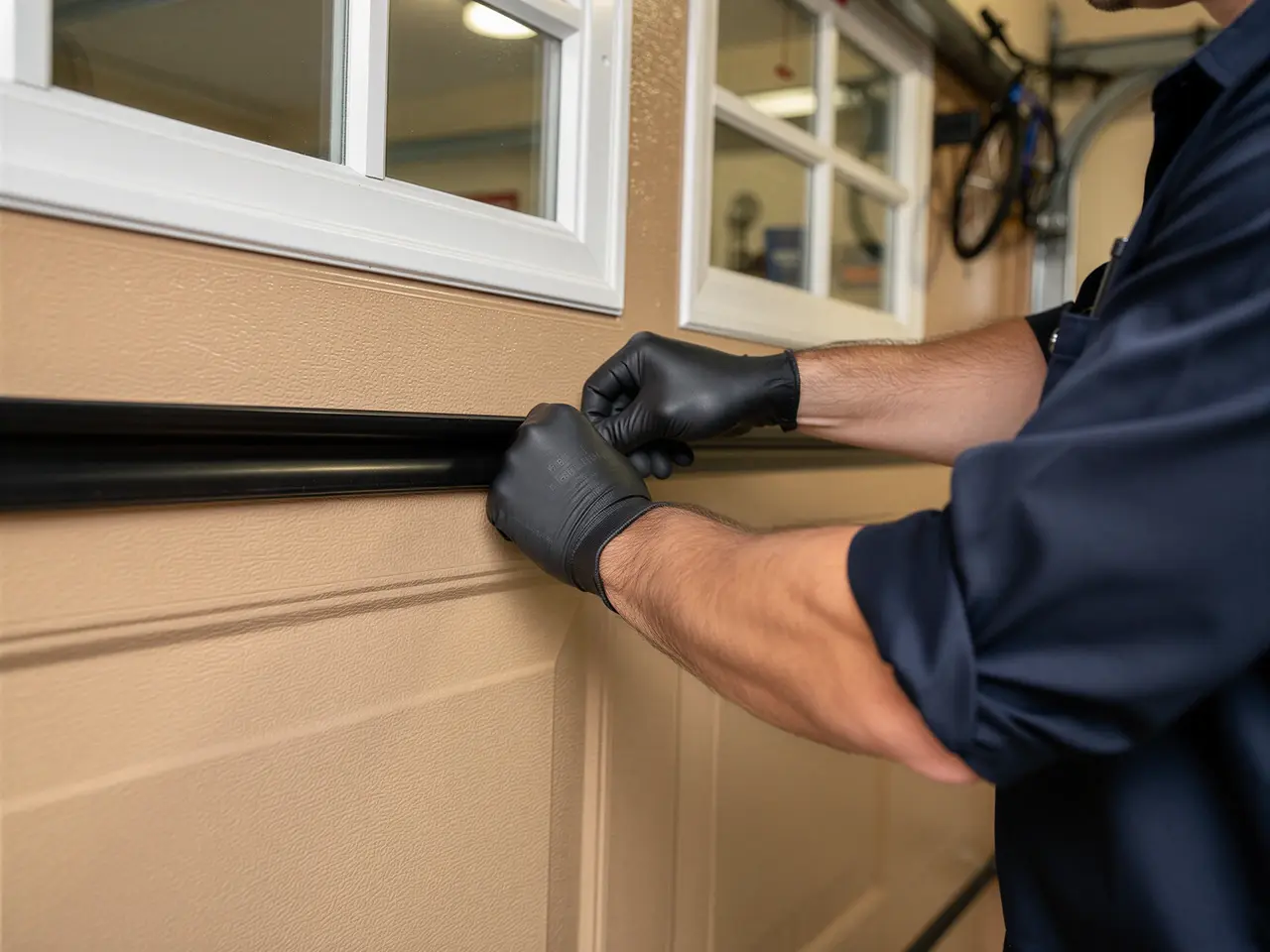
Some of it, yes. You can tighten loose bolts on the track brackets, clean and lubricate rollers, check that the photo-eye sensors are aligned and free of dust, and test the auto-reverse by setting a 2x4 flat under the door. Those are maintenance jobs, not repair jobs, and doing them a couple times a year actually extends the life of everything else on the door.
What you should not touch is the torsion spring system. A torsion spring is wound under enough tension to break bones if it lets go while you're working on it, and the tools to wind and unwind it safely aren't something most homeowners own or have used before. Same goes for the cables under tension and anything involving the opener's internal gear assembly if the door is binding.
If your door is original to a house built in the 1960s or 70s, which covers a lot of New Lenox stock, the honest answer is often that the hardware is old enough that a repair buys you a year or two before the next part fails. We'll tell you that straight when we're out, rather than replace one part and let you find out the hard way next winter.
How Long It Takes
A spring replacement, cable swap, or roller job on a standard double door is usually a same-visit repair once we're on site and have the right parts on the truck. Opener issues take longer to diagnose than to fix in most cases - the part itself goes in fast, but figuring out whether it's the logic board, the gear, or a wiring fault at the wall button takes the time.
What we can't promise is a specific number of minutes or a guaranteed same-day slot, because that depends on what's already on the schedule and what part your door needs. Some older torsion springs, especially on doors original to houses built before the 1980s, use sizes that aren't on every truck and need a short parts run. We'd rather tell you that up front than quote a time we can't hold to.
What You Are Seeing
If the door is slow to open, sags on one side, or the opener strains and reverses partway up, that's usually a spring that's lost tension rather than an opener problem, even though the opener is what's making the noise. On a lot of New Lenox doors original to the 1960s-70s building wave, that spring has been cycling for decades longer than it was built to run.
A loud bang followed by the door refusing to move at all is almost always a broken torsion spring - don't try to open it manually or with the opener until it's replaced, you risk damaging the track or the opener itself.
Rollers that grind, squeal, or have visibly flat spots are a cheaper fix now than a jammed track later. And if the bottom panel is rusted or the weatherstrip has gone stiff and cracked, in this climate band that's often what lets cold air and moisture into the garage all winter, which accelerates the rest of the door's wear.
What Causes It Around Here
New Lenox housing runs mostly 1955 to 2004, with the median build year around 1976, and across the wider area it's mostly 1960s-70s stock. That matters because original garage door hardware from that era - one-piece doors, older torsion setups, early steel panel doors - is now 45 to 65 years old in a lot of cases, well past any spring's rated cycle count.
The climate band here is cold and moderate, which means winter temperature swings that shrink and expand steel cable and springs repeatedly through the season. That's the mechanism behind most of our winter calls: a spring that was already weak from age finally lets go on a cold morning when the steel is least forgiving. It's not random bad luck tied to one storm - it's decades of thermal cycling catching up with original parts at once.
Houses built later in that 1955-2004 window, closer to 2000, tend to have newer galvanized springs and better-sealed doors, so they see fewer of these failures. The oldest third of the stock is where we spend most of our time.
Frequently asked questions
Why did my spring break on a cold morning with no warning?
Steel springs lose a little tension every cycle, and cold weather makes steel more brittle and less forgiving right when tension is already low. If your door is original to a house built in the 1960s or 70s, the spring has likely had decades of winters to wear down before it finally gives out.
Is it worth repairing an original door from the 1970s or should I replace it?
Depends what's failing. A spring or roller job on an otherwise sound door is worth it. If the panels are rusted through, the track is bent, or you're replacing the third part in two years, you're paying repair prices toward a door that's going to need full replacement anyway.
Can I just add oil to a noisy opener and call it fixed?
Lubricating the chain or belt helps, but grinding or squealing usually points to worn rollers or a misaligned track, not a dry chain. Oil quiets it down for a week or two and then you're back where you started.
Related services
Related guides
Book garage door service in New Lenox
Call now or request a quote - tell us what the door is doing and where you are.